It happened at the Douala General Hospital — not a small clinic in a village with no equipment, but one of the biggest referral hospitals in the country. My mother needed blood, and finding it in time was suddenly the hardest thing in the world. The building had everything except the one thing that would save her: a matching donor we could actually reach, fast.
I am a registered nurse. I have stood on the clinical side of that fear for other people's families more times than I can count. But standing in that corridor as a son — watching the people I love go quiet, watching the clock, feeling how little all my training mattered when the blood simply wasn't there — that is a fear I don't have words for.
My mother was lucky. We found blood in time, and she is still here. What I have never been able to shake is how close it came, and how it could so easily have gone the other way. On that same night, in that same hospital, other families were living the version where luck didn't arrive. That is not a failure of medicine. It is a failure of coordination — of connecting the person who needs blood to the person willing to give it, before the clock runs out.
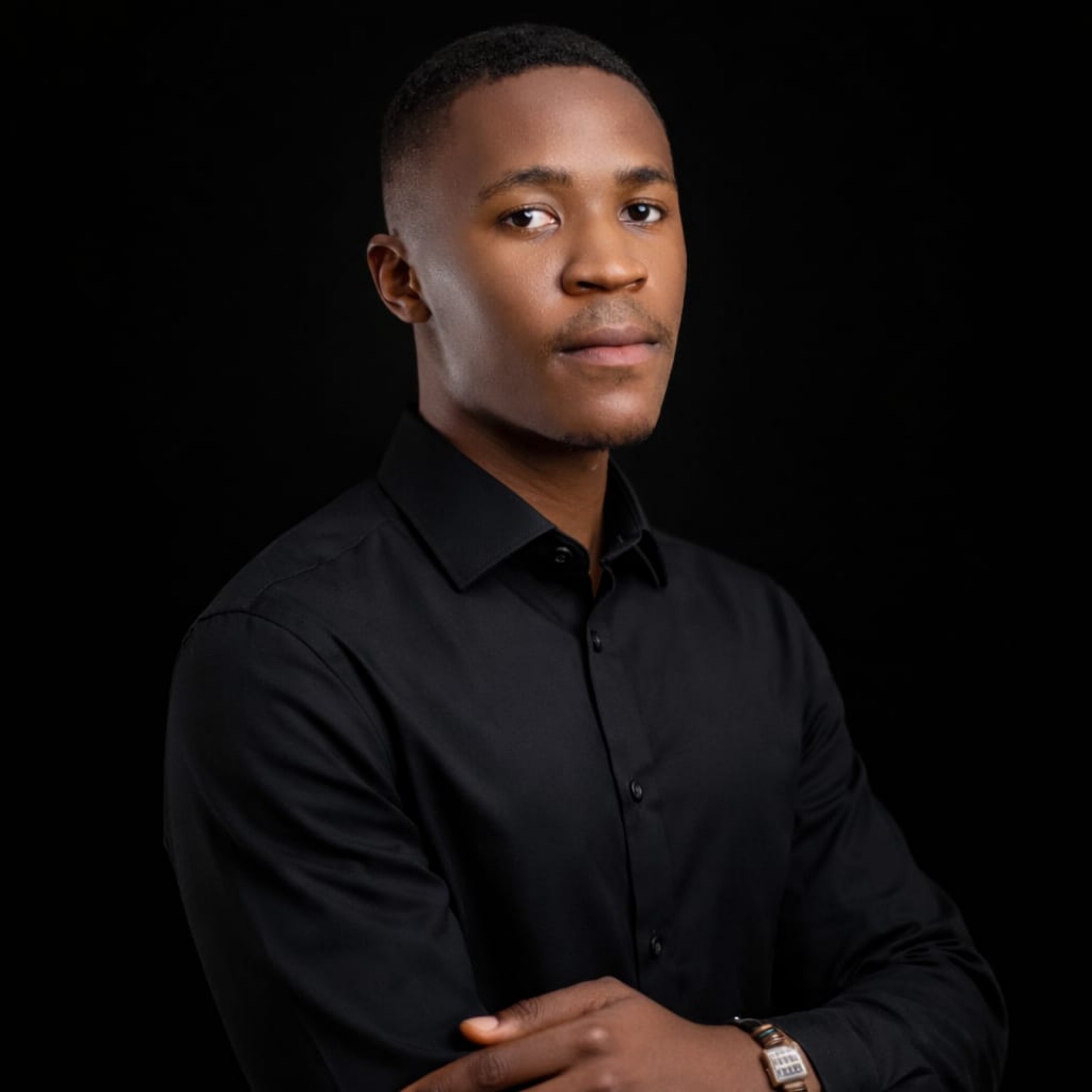
“My mother lived because we found blood in time. I couldn't accept that it came down to luck — so I started building the thing I wished we'd had that night.”Chifen Sama Nduma — Founder & CEO, registered nurse
What we built first
That fear is why, in 2022, we built Ayodah — first a website, then a mobile app to connect blood donors and patients in Cameroon. We ran real donor drives, worked with real hospital wards, and won the Silicon Mountain Challenge that year. It worked: 400+ donors registered, 310 donations facilitated, 3 hospitals and 5+ NGO partners. Those aren't vanity numbers — they're children who went home and mothers who breathed easier.
What broke, and what we heard
Then adoption stalled. Not because people stopped caring — because nobody wants to install and remember one more app for something they'll need only a handful of times in their life. Donors registered once and never opened it again. And yet the requests never stopped: “Do you know an O– donor?” — over and over, in our personal WhatsApp DMs, at every hour of the night. The demand was screaming at us through the one channel we'd been ignoring.
“We kept asking people to come to our app. They kept asking us for help on WhatsApp. Eventually we stopped arguing with them and moved.”Chifen Sama Nduma — Founder & CEO
Why LifeDrop lives in WhatsApp
So we stopped fighting the channel people already live in. LifeDrop is Ayodah's network, its hospital relationships and every lesson it taught us — rebuilt inside WhatsApp, with MTN Mobile Money underneath. No app to download, light on data, in English and French. Same mission, same donors, finally in the place where people actually answer. It's a working prototype today; the production bot ships with our Buea pilot.
The goal has never changed since that corridor: make sure that when a family is counting minutes, finding blood is the easiest part of the night — not the hardest.