Someone, somewhere, is waiting for a blood donor just like you. A single donation can give a child another birthday, help a mother survive childbirth, or give an accident victim a second chance.
Join LifeDrop on WhatsApp and become part of a community that saves lives every day.
Tip: it's a real, tappable prototype — open it full-screen and walk both the donor and requester paths.
🩸 Register in minutes
Become part of a life-saving community directly through WhatsApp, without a separate app.
📍 Be notified when you're needed
Receive alerts only when someone nearby needs your blood type — no noise, no guesswork.
❤️ Make every donation count
One donation can save up to three lives — the difference between grief and celebration.
🔒 Safe & private
Your personal details are used only for responsible donor matching and nothing else.
Our story
Finding blood during an emergency should never depend on luck.
Before LifeDrop, before Ayodah, before any of this — there was a night at the Douala General Hospital. My mother needed blood, and it was not there. Not because the hospital had failed her, but because the one thing that could save her — a matching donor, reachable in time — had become the hardest thing in the world to find.
I am a nurse. I have stood on the clinical side of that fear for other people's families. But standing in that corridor as a son, watching the people I love go quiet and counting the minutes, is a different kind of fear entirely. My mother was lucky. We found blood in time. What I have never been able to forget is how easily it could have gone the other way — and that for other families in that same hospital, on other nights, it did.
“My mother lived because we found blood in time. I couldn't accept that it came down to luck — so I started building the thing I wished we'd had that night.”
Chifen Sama Nduma — Founder & CEO, registered nurse
That is where LifeDrop really begins. Everything after it — the app, the awards, the rebuild — is just me and a small team refusing to let another family stand in that corridor without a way to find help fast.
LifeDrop makes it easier for willing blood donors to connect with patients who need help through the platform millions already use every day — WhatsApp. Whether this is your first donation or your fiftieth, every donation brings hope to someone in need.
Because the need is real
The World Health Organization estimates a country needs blood donations from about 1% of its population every year just to cover basic needs — and across much of Sub-Saharan Africa, collections fall far short. When a hospital runs out, the search falls on the family: door to door, phone call by phone call, while the clock runs.
We started with a different platform and learned one simple thing: good intentions are not enough if the support stays somewhere people never open. The families who need blood are already reaching out where they live — and that is why LifeDrop belongs in WhatsApp.
What we've done
Our first community helped 400+ donors give blood, supported 310 transfusions, and built trust with 3 hospitals and 5+ NGO partners. Those are not numbers. They are children going home, mothers breathing easier, and strangers answering a call for help.
Why it matters
A single match can mean the difference between a life lost and a life saved. LifeDrop is not a technology product first — it is a movement where people show up for other people in the place they already trust.
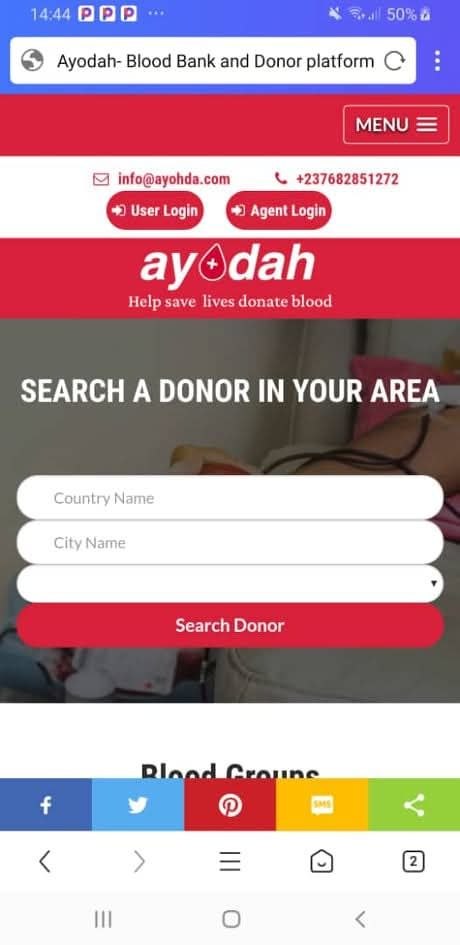
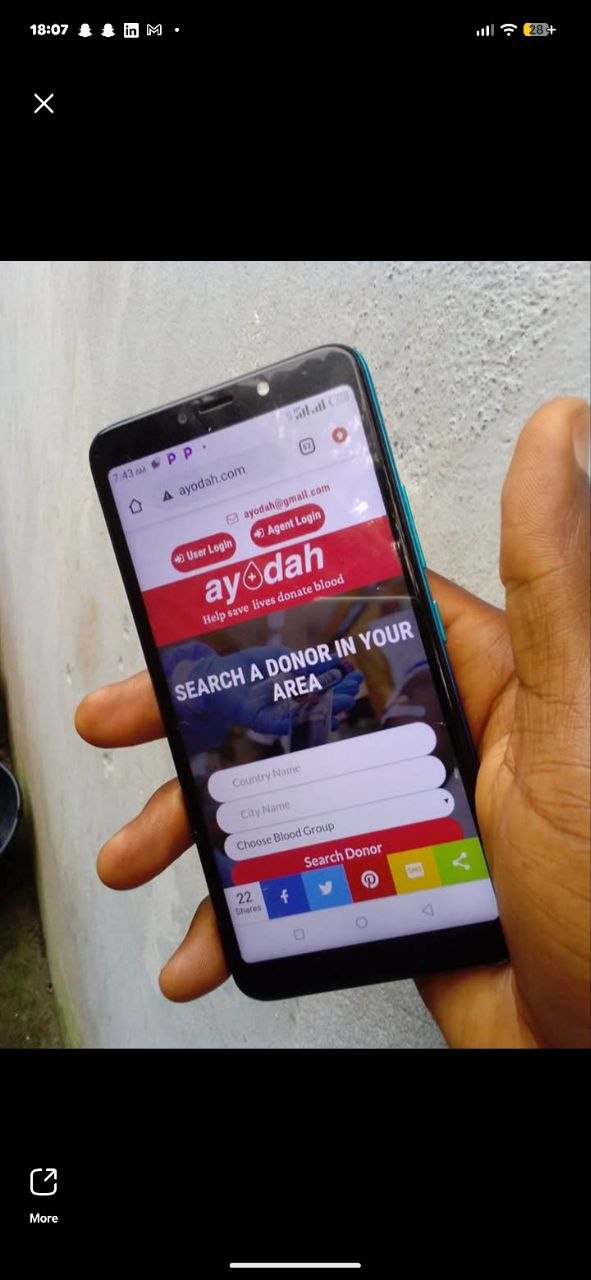
The original Ayodah app and website — downloaded once, then forgotten. That's the wall we hit, and the reason LifeDrop lives in WhatsApp instead.
The signal we couldn't ignore
But the WhatsApp messages never stopped. "Do you know an O– donor?" Over and over, landing in our personal DMs at every hour. The demand hadn't gone anywhere — it was screaming at us, through the one channel we'd been ignoring the whole time.
"We kept asking people to come to our app. They kept asking us for help on WhatsApp. Eventually we stopped arguing with them and moved."
Chifen Sama Nduma — Founder & CEO, registered nurse
The rebuild
So we stopped fighting the channel people already live in. LifeDrop is Ayodah's network, its relationships and every lesson it taught us — rebuilt inside WhatsApp and the mobile payment systems people already use. Same mission. Same donors. Finally in the place where they'll actually answer.
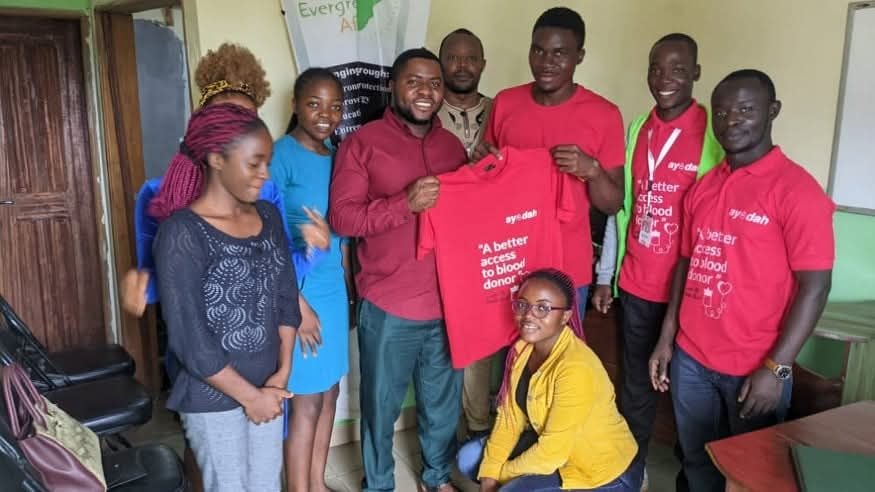
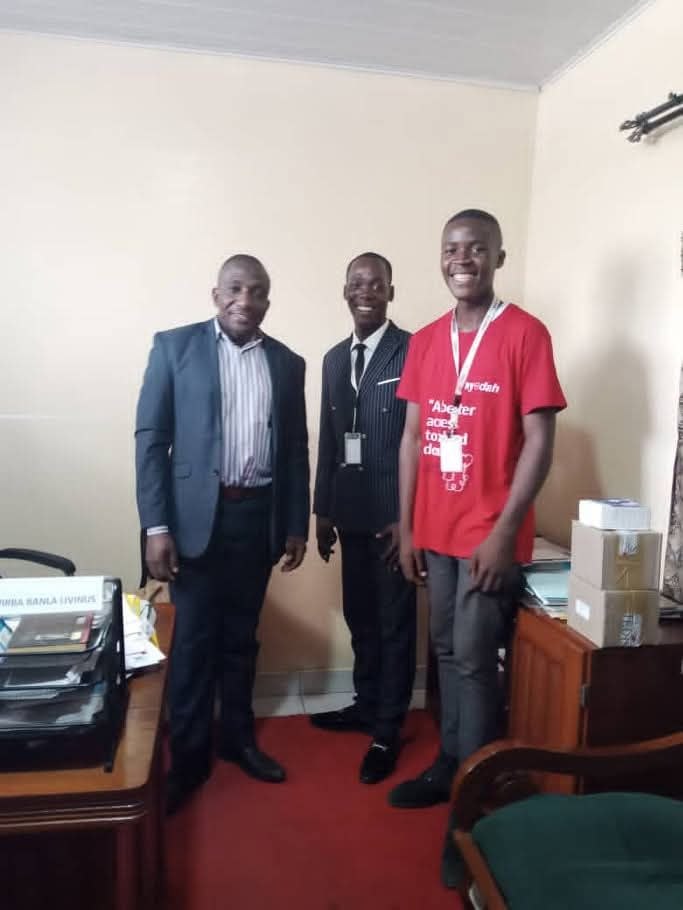
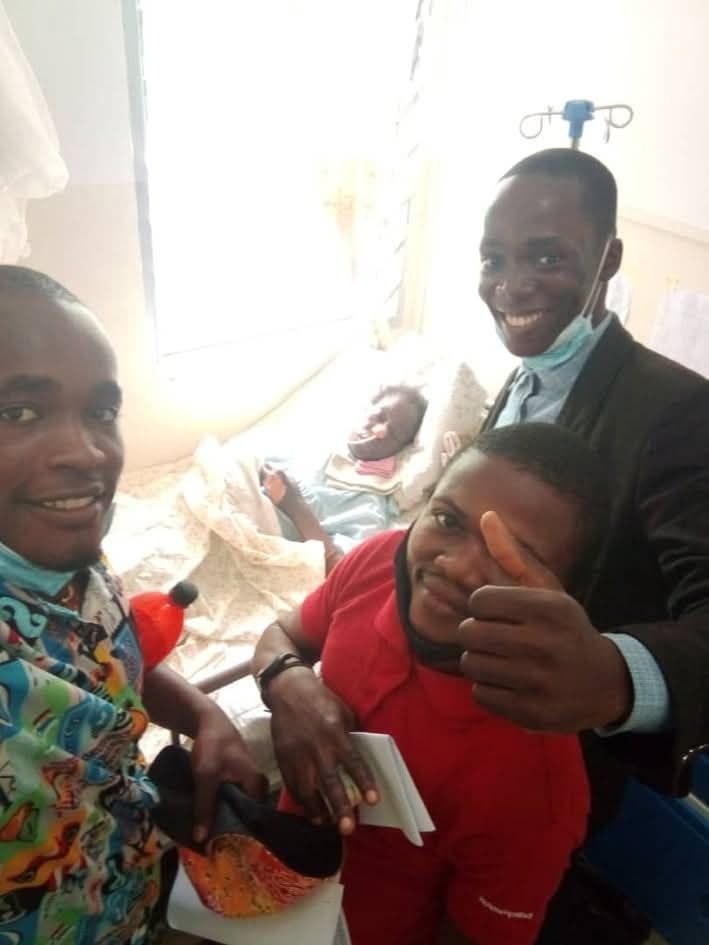
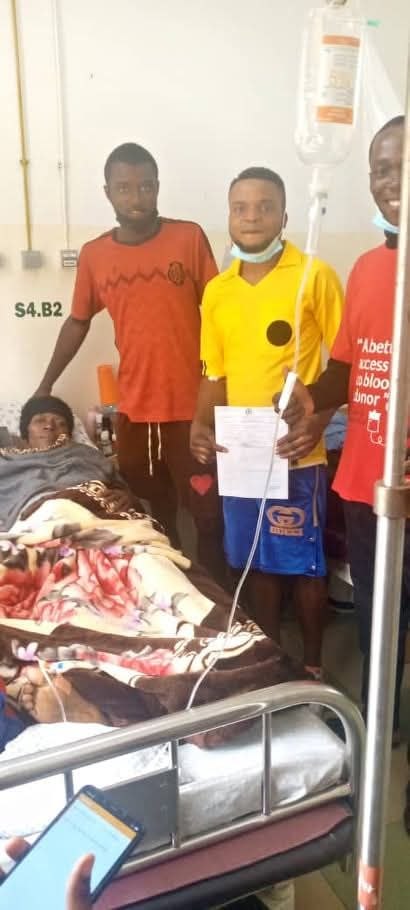
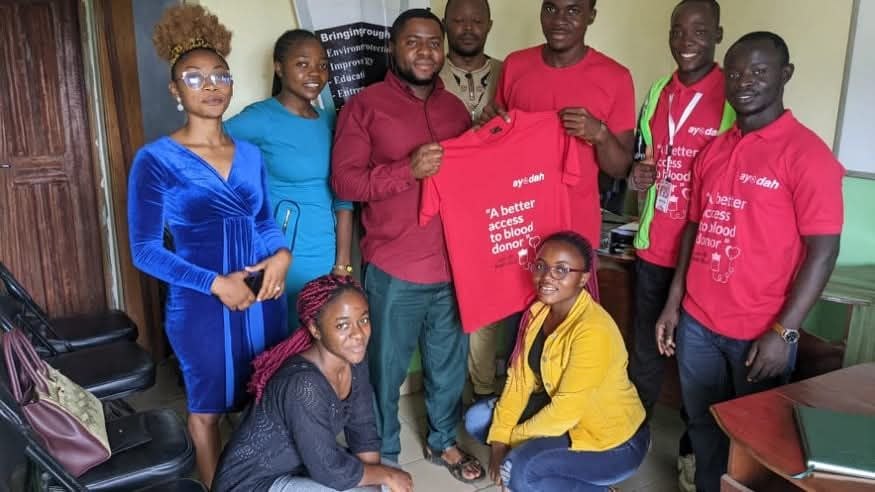
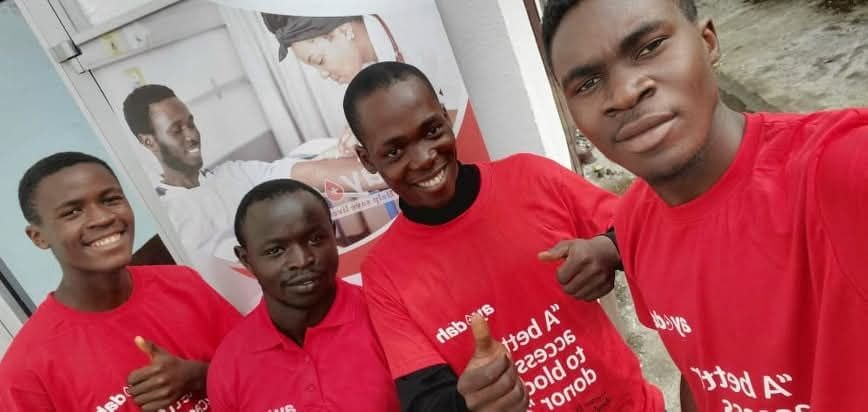
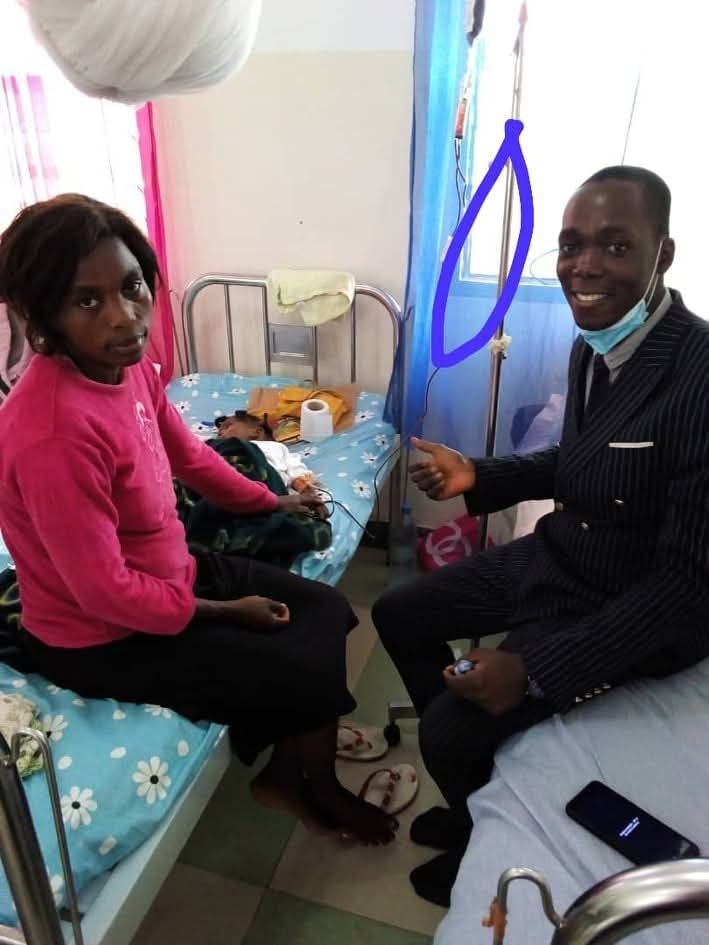
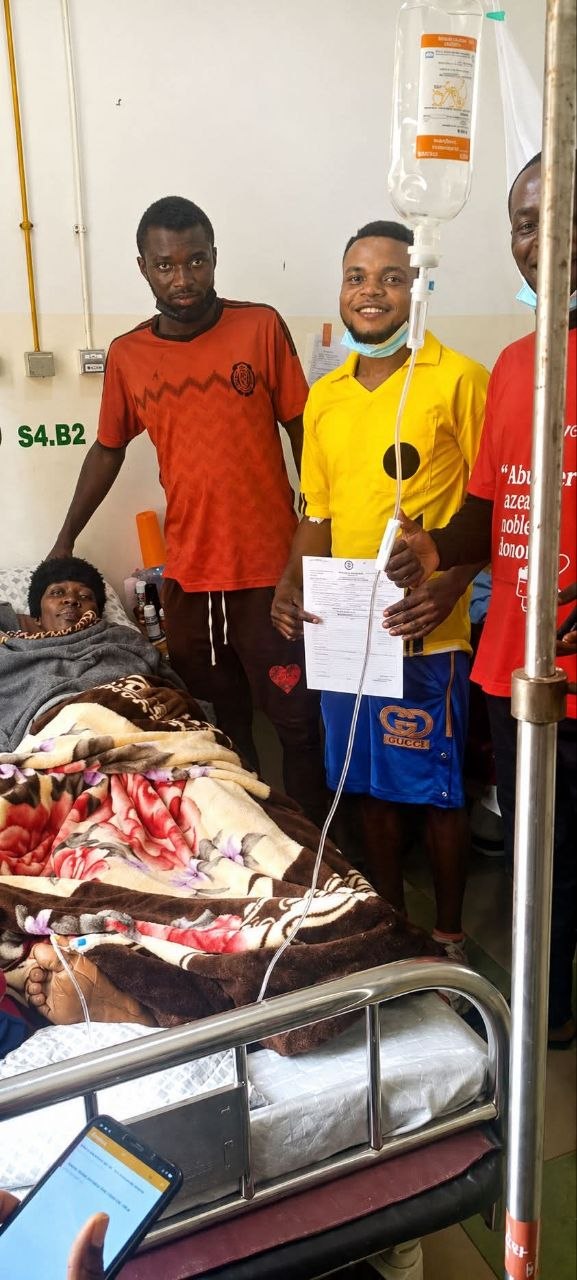
Launching the Ayodah campaign — “A better access to blood donor.”The volunteer team on a donor drive in Buea.A completed donation at the ward (S4.B2) — the request slip that meant a patient got blood.Real photos from the Ayodah years, 2022. Confirm exact places and dates in the captions before publishing, and keep written consent for any recognisable face.
These are the moments when a donor said yes, when volunteers counted units, and when a patient received the blood they needed. The stories here are based on the people who lived them.
Buea · 2022A donation at the ward (S4.B2) — request form in hand, a patient gets blood.Donor driveVolunteers signing up donors across Buea.With partnersCommunity outreach alongside a partner organisation.
Donor photo
Donor
“The message came late at night. I said yes, took a taxi to the ward, and was home before morning. I didn’t do anything heroic — I just showed up.”
Emmanuel N.Blood donor · Molyko, Buea
Patient / family photo
Patient’s family
“We were calling everyone we knew. Within the hour a stranger was at the ward, matched to my relative. I still don’t know how to thank them.”
Grace T.Patient’s sister · Buea
Hospital / ward photo
Partner hospital
“Before, families ran door to door looking for donors. Now the request is verified and the donor comes to the ward — it saves us the time we don’t have.”
Sister BihTransfusion nurse · partner hospital
How it works
Five steps that bring a donor to a patient.
From your first WhatsApp message to a safe donation, the whole path is built around real people.
01
Join on WhatsApp
Tell us your type, your location and a few health details — then get screened with a partner hospital.
02
A request is confirmed
The ward checks the need before any donor is alerted — so every call for help is real.
03
You get one alert
When your blood type is needed nearby, LifeDrop sends a simple yes/no prompt in WhatsApp.
04
Support stays fair
If the family can't pay the coordination fee, the Solidarity Access Fund covers it so help still reaches the patient.
05
Give blood and keep caring
Donate with support, rest afterward, and know your single act helped keep someone alive.
Blood is collected, tested and transfused only in licensed hospitals. We coordinate; clinicians do the medicine.
Why WhatsApp
Because this is where people already ask for help.
No extra app. No extra login. Just the familiar chat people use every day — so donors and families can connect faster when it matters most.
Zero install
No download, no new account. If you have WhatsApp, you already have LifeDrop.
Works on low data
Text-first and light on data — built for the phones and connections most people already use.
English & French
We speak both languages so no one waits for a translation in an emergency.
How the money works
You never pay for blood. You pay for the coordination that reaches you.
Blood is always a free, voluntary gift — the donor is never paid a single franc. One transparent coordination fee covers the real cost of getting a screened donor safely to the ward, and it's charged only when a donor is confirmed.
Coordination fee13,000 FCFA
🚕Donor care
Transport, a meal and airtime — so giving never costs the donor.
6,000
🧪Health screening
Haemoglobin, blood pressure and infectious-disease testing.
2,000
📱MoMo & WhatsApp
Mobile-money and messaging costs to run the match.
1,300
⚙️Running the service
Verification, coordination and support behind every request.
1,500
💛Sustainability & solidarity
Keeps LifeDrop running and funds free matches for families who can't pay.
2,200
Paid only on a confirmed match
No donor, no charge. The fee is requested through MTN MoMo — approved with the requester's own PIN, receipted and traceable — only after a verified donor says yes. If the donor doesn't show, the requester is refunded automatically.
Built to sustain itself
A fixed share of every paid fee funds the Solidarity Access Fund and LifeDrop's running costs — so the network can grow without depending on grants to stay alive.
Never a market for blood
The donor is paid nothing for the blood itself — that's the law, and it's what keeps the supply safe. You pay for coordination, never for the gift.
No one is turned away
The Solidarity Access Fund.
When a family can't afford the coordination fee, they're still matched — free, and with the same donor, the same speed, the same care. Nothing about their case is second-class, and the donor never even knows.
It's funded three ways, so it can hold:
Pay-it-forward top-ups from families who add a little when they can.
Subsidy from our NGO and funder partners.
A fixed share of every paid coordination fee.
1 in 5
Our pilot target: at least one in every five coordinations fully subsidised.
Built on MTN
The rails were already here. We built LifeDrop on MTN.
MoMo as the backbone
MTN Mobile Money handles every coordination payment — approved with the requester's own PIN, receipted, traceable.
WhatsApp & Ayoba reach
We meet donors and families on the channels they already open every day, on the network they already trust.
The YaMo community
MTN's youth community is a natural first donor base — young, connected, and ready to show up for each other.
The opportunity
A life-or-death problem, in a market built for this exact solution.
Cameroon runs chronically short of safe blood — and it's also a country where nearly everyone already lives on WhatsApp and moves everyday money through MTN MoMo. LifeDrop sits precisely where the need and the rails already meet.
~28M
people in Cameroon — the reachable base as we scale beyond Buea.
~1% / yr
of a population should donate blood each year to meet demand (WHO). National supply falls far short — that gap is the market.
#1
MTN is Cameroon's largest network & mobile-money platform — the distribution and payment rails we're built on.
The gap, in one picture
Illustrative · WHO ranges
Sub-Saharan Africa
~5
High-income countries
~32
Blood donations per 1,000 people each year. Where high-income countries collect around 32, much of Sub-Saharan Africa sits near 5 — and that shortfall is exactly the need LifeDrop exists to close. Illustrative figure drawn from widely-cited WHO ranges; swap in a sourced national number when you have one.
A network, not a blank slate
400+ donors and real hospital relationships carried over from our Ayodah years — we are not starting from zero.
WhatsApp-native
No app to install, light on data, in English & French — meeting people exactly where they already ask for help.
Trust as the product
Verified requests, screened donors, and every fee traceable through MoMo — the trust layer that makes strangers help strangers.
Partners & recognition
Relationships we earned, and kept.
3 hospital partners · 5+ NGO partners, several ongoing
Winner — Silicon Mountain Challenge, 2022
For Ayodah, our first-generation platform.
HETEFA
BEGARH
CAMIHN
COHAN
HATS Agrotech
VIAC
HETEFA
BEGARH
CAMIHN
COHAN
HATS Agrotech
VIAC
Partner organisations we've worked with.
The team
The people who answer when you message.
We're a small Buea-based team — nurses and builders who've stood in the wards and watched families search for blood in the middle of the night. LifeDrop is the thing we kept building because we couldn't unsee that.
CS
Founder & CEO
Chifen Sama Nduma
Registered nurse & health-tech builder
Frontline clinical experience in Cameroon's health system paired with hands-on product and tech skills — a founder who understands both the medicine and the build. Leads product, hospital partnerships and donor safety.
JF
Josué Fotseu
Technology & Engineering
Owns the bot, automation and payment integrations.
Provides clinical governance on donor-eligibility criteria, screening protocols and transfusion safety, and connects LifeDrop to international best practice.
A Buea-based founding team uniting clinical, technical, growth and operations expertise, backed by independent medical advice.
Where we're going
From a Buea pilot to a national safety net for blood.
Verified donors on the network
Projection · pilot target
A target trajectory for the Buea pilot, building on the 400+ donors carried over from Ayodah. This is a projection of where we're aiming — not a result already achieved.
Now
Buea pilot
Launch the WhatsApp bot with our first partner hospitals and existing donor base.
Next
South-West Region
More hospitals and campuses; grow and re-verify the donor pool; prove the unit economics.
Then
National
Cameroon-wide coverage, more languages, and deeper MoMo and partner integration.
Vision
Regional
A trusted, WhatsApp-native blood network across Central Africa.
We're looking for the hospital, NGO and funding partners who want the pilot to be the first step — not the last.
Good questions
The things people ask us first.
Straight answers on safety, money and trust — the parts that matter when a stranger's life is on the line.
No — and they never will. Blood is a free, voluntary gift. Paying for blood is unsafe and illegal, because it pushes people to hide health risks. The coordination fee a family pays covers a donor's transport, meal and screening and the cost of running the service — it never reaches the donor as payment for the blood itself.
No. LifeDrop lives entirely inside WhatsApp — the app almost everyone here already has. It works on a mid-range Android, on limited data, without one more download. You just start a chat, in English or French.
It's a working prototype today — you can walk the whole flow in the demo above. The production bot ships with our Buea pilot. We'd rather show you exactly how it works and be honest about the stage than claim something that isn't live yet.
Every donor is screened at a partner hospital — blood typing, haemoglobin, blood pressure and infectious-disease testing — before they're ever matched. We enforce a 90-day recovery window, ask a short health questionnaire, and leave every medical decision to a clinician. Blood is collected, tested and transfused only in licensed hospitals; we coordinate, clinicians do the medicine.
We verify each request with the hospital ward — usually through the request slip or transfusion desk — before alerting a single donor. In a genuine, life-threatening emergency we can alert donors and verify in parallel, so help is already moving while the ward confirms. Donors are never called out for a request that isn't real.
The fee covers the donor's transport, meal and airtime, their health screening, the MoMo and messaging costs, and keeping the service running — and it's charged only when a donor is confirmed. If a family can't afford it, they are never turned away: the Solidarity Access Fund covers them, with the same donor, the same speed and the same care. It's funded by pay-it-forward top-ups, NGO partners, and a fixed share of every paid coordination.
We keep only what's needed to match you — blood group, area and availability. Health answers are used only to protect you, never shared with a patient or their family. Your number is shared with a hospital only after you say yes to a specific match. Reply STOP to pause messages, or DELETE to erase your record. No test results or diagnoses ever pass through the chat.
Donors can register in a couple of minutes through WhatsApp. Hospitals and clinics can partner with us to screen donors and verify requests. And anyone can help by sharing LifeDrop — the bigger the verified network, the shorter every emergency becomes. Message us any time; the buttons on this page all open a real chat.
.jpg)